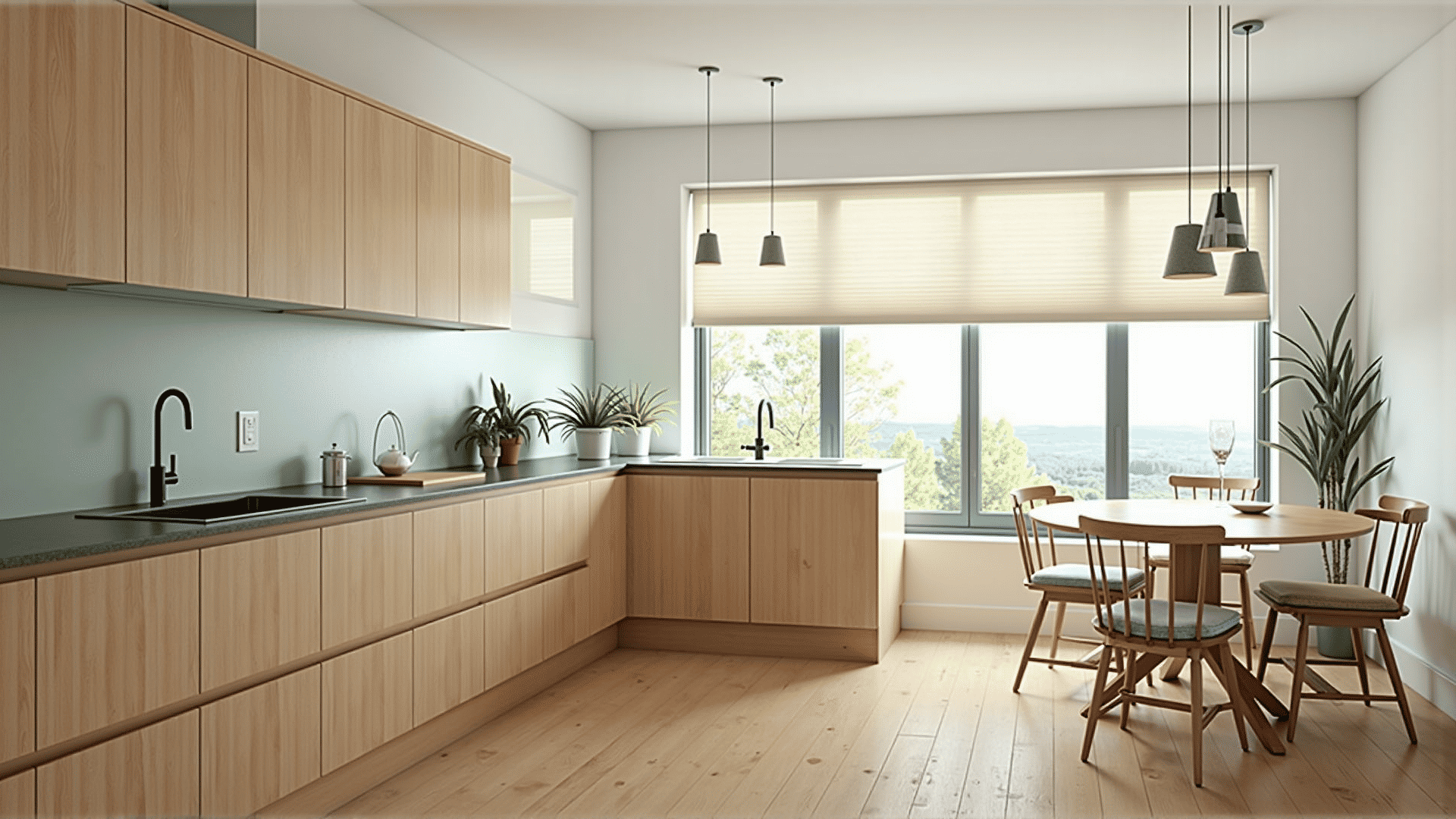
In recent years, the conversation around sustainability has become increasingly prevalent in various aspects of our lives, including how we decorate and furnish our homes. Incorporating eco-friendly materials into interior design is not only beneficial for the environment but also adds a unique character and charm to a living space. Here’s how you can integrate sustainable materials into your home design.
1. Recycled Wood:
Recycled or reclaimed wood is one of the most popular sustainable materials in interior design. Sourced from old buildings, barns, or even old ships, this type of wood preserves history and reduces the demand for new lumber. Its vintage look can bring warmth and texture to any room, from rustic floors to eye-catching wall panels or distinctive furniture pieces.
2. Bamboo:
Bamboo is another excellent choice for those aiming for sustainability without compromising on style. As one of the fastest-growing plants, bamboo can be harvested without causing permanent damage to the ecosystem. It's incredibly versatile, used for flooring, cabinetry, or even decorative items. Its durability and aesthetic appeal make it a favored material in many homes aiming to be more eco-friendly.
3. Natural Fabrics:
Choosing natural fabrics for upholstery, curtains, and other textile elements can greatly enhance the sustainability of your home. Organic cotton, linen, and hemp are all great options. These materials are grown without harmful pesticides and chemicals, making them safer for both the environment and your health. Their natural textures and colors also add an earthy, calming feel to spaces.
4. Cork:
Cork is an often-overlooked material that has a lot to offer in terms of sustainability. Harvested from the bark of cork oak trees, this material regenerates, allowing the trees to live and grow unharmed. Cork has excellent sound and thermal insulating properties and is highly versatile. It can be used in flooring, wall treatments, or even as furniture elements.
5. Recycled Metal:
Using recycled metal in your interior can add a modern edge while maintaining eco-friendly standards. Scraps from previous projects or other sources can be transformed into anything from light fixtures to furniture. By choosing recycled metal, you help decrease the need for new production, thus reducing mining impacts.
6. Low-VOC Paints:
Traditional paints can release volatile organic compounds (VOCs) into the air, impacting indoor air quality and human health. Opting for low-VOC paints reduces these effects. These paints are readily available and come in a variety of colors, ensuring you don’t have to sacrifice style for sustainability.
7. Wool Rugs:
Wool is a renewable resource that's biodegradable, making it a fantastic choice for sustainable flooring solutions. Wool rugs are not only durable and resilient but also provide excellent insulation, helping to keep your home warm in colder months.
8. Upcycled Furniture:
Lastly, consider the art of upcycling, where old furniture pieces are creatively transformed into something new and beautiful. This process not only gives new life to items heading to a landfill but also allows for personalized and unique design elements in your home.
Integrating sustainable materials into your interior design is a rewarding endeavor, tapping into both creativity and responsibility. By making conscious choices, you contribute to the health of our planet while creating a beautiful, personalized sanctuary. Embracing these materials supports a lifestyle that values preservation and thoughtful consumption—a step towards a more sustainable future.