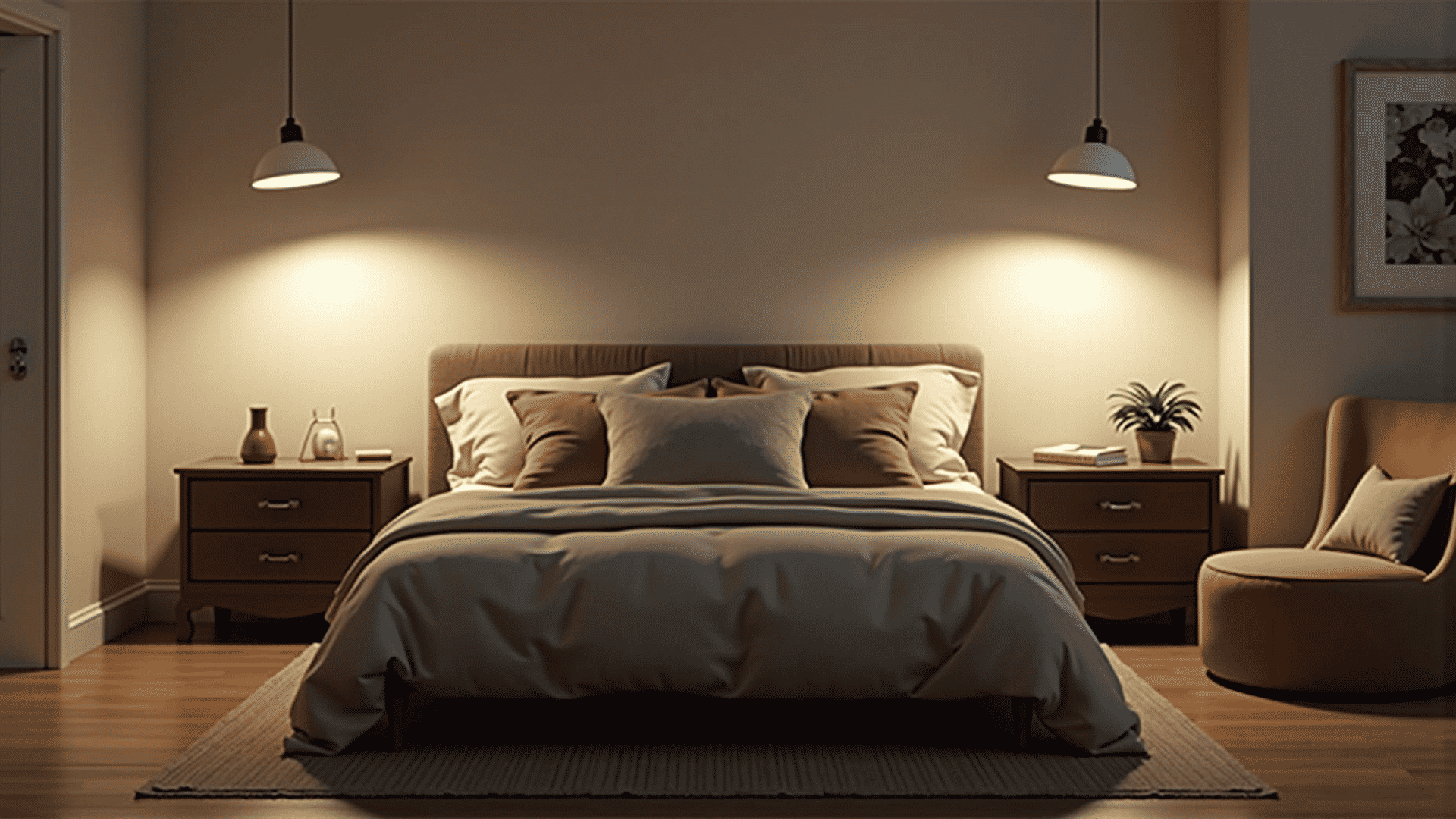
Lighting plays a pivotal role in shaping the atmosphere and functionality of interior spaces. Thoughtfully designed lighting can transform a room from mundane to magnificent, highlighting its best features while creating a desired ambiance. Understanding the principles and techniques of lighting design can significantly enhance the overall appeal and comfort of a home.
One crucial aspect of lighting in interior design is the layering of light sources. By combining ambient, task, and accent lighting, you can achieve a harmonious balance that caters to various functions and moods. Ambient lighting provides the general illumination necessary for daily activities, while task lighting offers focused brightness for specific tasks such as reading or cooking. Accent lighting, on the other hand, emphasizes particular elements or areas within a room, such as artwork, architectural details, or textured walls, adding visual interest and depth.
The choice of light fixtures is another critical component. Pendant lights, chandeliers, wall sconces, recessed lights, and floor lamps each bring unique characteristics and must be selected according to the room's style and purpose. For instance, pendant lights can serve as striking focal points over a dining table or kitchen island, while recessed lights offer a sleek and minimalist option for general illumination.
Another element to consider is the temperature and color of the lighting. Warm lighting creates a cozy and inviting atmosphere, perfect for living rooms and bedrooms. In contrast, cooler lighting is often better suited for task-oriented spaces like kitchens and home offices, as it promotes focus and alertness. Adjustable lighting options, such as dimmers and smart bulbs, provide flexibility to modify the ambiance according to different times of the day or occasions.
Natural light is equally important, bringing a sense of openness and vitality to interior spaces. Large windows, skylights, and glass doors can flood a space with natural light, enhancing the room's colors and making it feel more expansive. In addition, managing natural light with sheer curtains or blinds can help control brightness and privacy, adapting the space to various needs throughout the day.
The strategic placement of mirrors and reflective surfaces can also amplify the effects of lighting. By cleverly positioning mirrors across from windows or light fixtures, you can maximize the spread of light within a room, making it appear brighter and more spacious. Reflective surfaces such as glass, polished metal, or glossy finishes can similarly enhance the distribution of light, adding a touch of elegance to the decor.
In conclusion, effective lighting design is a combination of art and science, requiring a thoughtful approach to achieve the desired results. By utilizing a mix of lighting types, considering fixture styles, and leveraging the qualities of both artificial and natural light, you can create inviting and functional spaces that not only highlight architectural and decorative features but also provide comfort and versatility for all occasions.