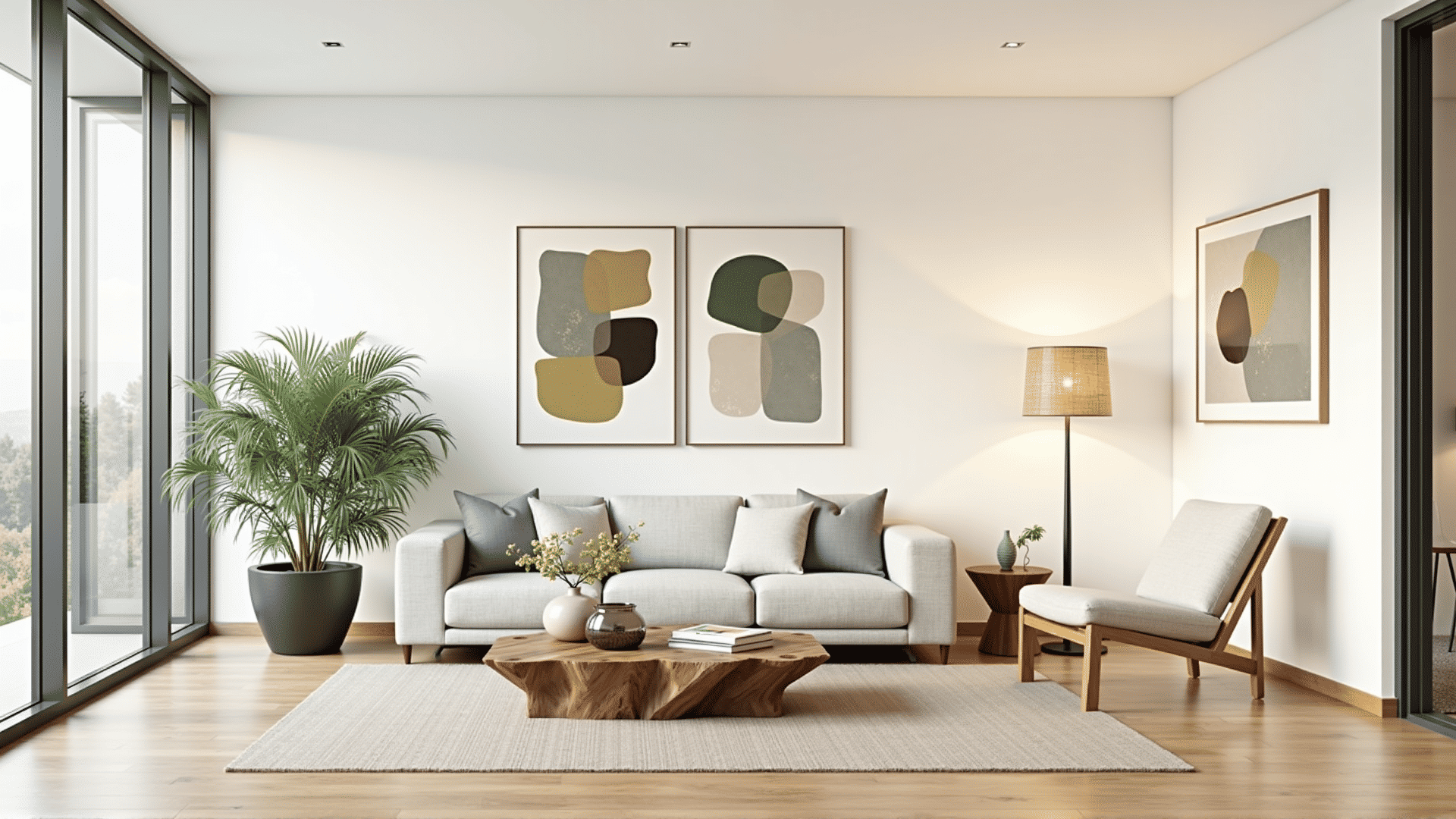
In recent years, more people are turning to sustainable practices in various aspects of life, and home design is no exception. The movement towards eco-conscious living spaces seamlessly blends environmental sensitivity with elegance, introducing a new era of interior design that satisfies both aesthetic and ecological desires.
The Essence of Sustainable Materials
At the heart of sustainable home design is the selection of materials. Eco-friendly options like bamboo, reclaimed wood, and recycled metal not only reduce environmental impact but also add a unique character to spaces. Bamboo, for instance, is a fast-growing plant that is both durable and adaptable, making it an ideal choice for flooring and furniture. Reclaimed wood can bring warmth and history into any room, each piece telling a story through its aged texture and tones.
Eco-Conscious Lighting Solutions
Lighting is another crucial aspect where sustainability meets design. Energy-efficient LED lighting can be found in various styles and colors, offering homeowners versatile options without the excessive energy consumption of traditional bulbs. Incorporating natural light through strategic window placement and skylights can also reduce reliance on artificial lighting while enhancing the ambiance of a space.
Innovative Textiles and Fabrics
Textiles and fabrics play a vital role in home aesthetics and functionality. Opting for organic cotton, hemp, or linen fabrics can significantly reduce the environmental footprint of a space. These materials are produced with less water and without harmful chemicals, and their natural look and feel enhance the comfort and style of interiors. Designers often mix textures, using these fabrics for curtains, upholstery, and decorative accents to create a layered, inviting atmosphere.
The Beauty of Eco-Friendly Paints and Finishes
Traditional paints can release volatile organic compounds (VOCs), which are detrimental to indoor air quality and personal health. Fortunately, there is a growing selection of low-VOC paints and finishes that provide beautiful, long-lasting color without the harmful side effects. Available in a wide array of hues, these options ensure that homes remain as vibrant and inviting as they are safe.
Green Innovations in Furniture Design
Furniture designers are embracing sustainability by using responsibly sourced materials and creating pieces that are not only functional but also aesthetically captivating. Modular furniture, which can be easily disassembled and reassembled, offers flexibility and reduces waste, prolonging the life cycle of each piece. Additionally, exploring second-hand shops or boutique stores can yield unique treasures that offer both character and sustainability.
Eco-Friendly Spaces with Purpose
Emphasizing multifunctionality in room design helps minimize excess and encourages mindful consumption. Designing open spaces that serve multiple purposes—such as combining a reading nook with a mini-office—maximizes utility while maintaining style. This approach reduces clutter and fosters a cleaner, more harmonious living environment.
In the quest for a stylish and sustainable home, merging creativity with conscious choices allows homeowners to craft spaces that stand the test of time. By integrating eco-friendly materials and innovative designs, it is possible to live elegantly while preserving the planet, proving that sustainability and style can indeed coexist harmoniously.