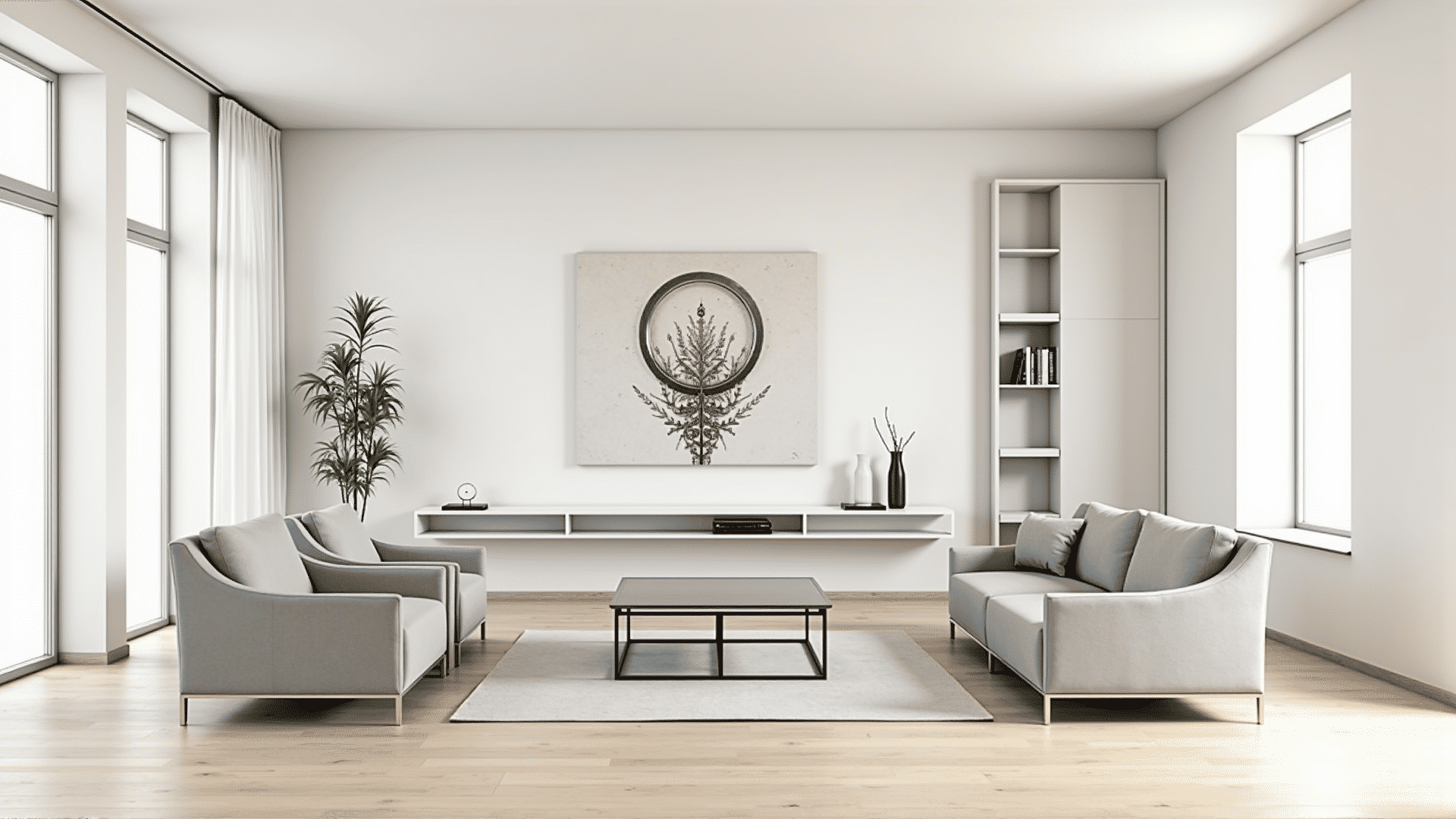
Delving into the essential principles of interior design can transform any living space, creating an environment that feels both cohesive and inviting. Understanding and applying fundamental concepts such as balance, contrast, and harmony can significantly elevate a home's aesthetic appeal. Let's explore how these elements shape effective interior design.
Balance is achieved by distributing visual weight within a space to create a sense of stability. This can be executed symmetrically, where elements are mirrored on either side of a central line, creating a formal and orderly feel. Alternatively, asymmetrical balance allows for different items on either side that have similar visual weight, fostering a more dynamic and stimulating arrangement. Radial balance, another approach, centers around a focal point with elements radiating outward, creating a cohesive and charming atmosphere.
Contrast introduces diversity and interest into a space by placing opposite elements together. This could involve pairing light walls with dark furniture, integrating rough and smooth textures, or juxtaposing modern pieces with traditional ones. Contrast highlights the unique qualities of each component, ensuring that the design remains visually appealing and engaging.
Harmony, a crucial principle, ensures that all the different elements of a design come together seamlessly. This is achieved by selecting a unified color palette, consistent materials, and complementary patterns. Harmony creates a calming and coherent environment, allowing each component to work collectively rather than competing for attention.
In addition to these core principles, other factors like scale, proportion, and rhythm play significant roles. Scale and proportion ensure that objects in a room relate well to each other and to the space itself. A large sofa, for example, would look out of place in a small room, just as a tiny artwork might be lost on a massive wall. Rhythm involves repeating elements like patterns, colors, or shapes at intervals, creating a sense of organized movement through the space.
Applying these interior design principles thoughtfully results in spaces that are not only beautiful but functional as well. As you experiment with balance, contrast, and harmony, along with considering other design elements, you will find that creating an appealing and personalized home environment becomes an intuitive process. By paying attention to these fundamentals, you can craft interiors that reflect your personality while offering comfort and visual interest.