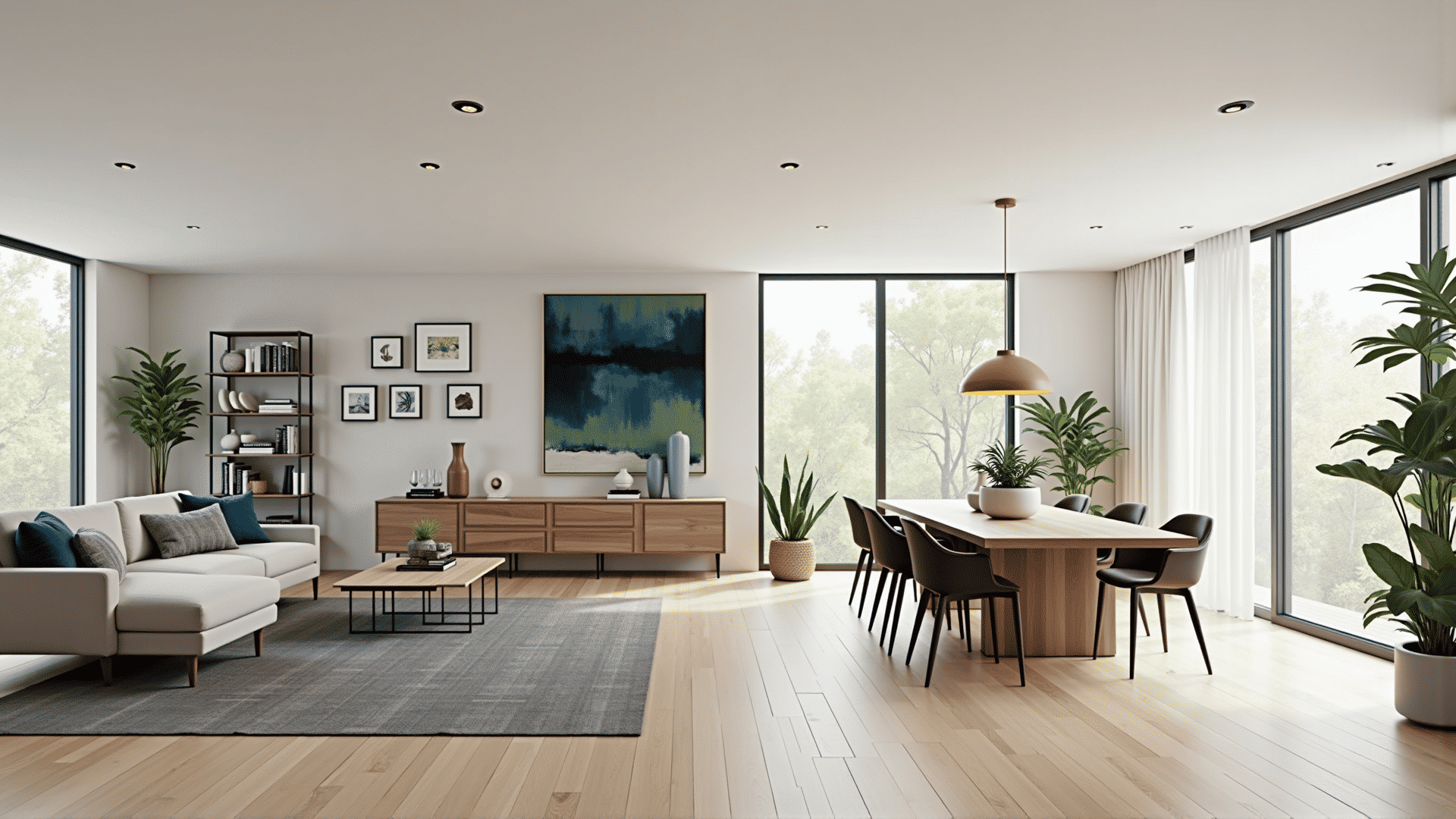
Uncovering the secrets to effective spatial planning involves taking a closer look at the principles that govern how we can make the best use of our home spaces. This process not only maximizes efficiency and functionality, but also ensures comfort and style remain uncompromised.
Understanding Spatial Flow
One of the key elements in creative spatial planning is understanding the flow of space. Consider how you move around your home on a daily basis. Are there areas that get cramped or blocked? A successful spatial layout promotes easy movement, lending a sense of openness and accessibility.
Prioritizing Multifunctionality
With modern living often requiring more from smaller spaces, incorporating multifunctional elements can be a game-changer. Think about furniture pieces such as a sofa that transforms into a bed or a dining table that doubles as a workspace. These versatile items save space and add functionality without sacrificing style.
Utilizing Vertical Space
Vertical space is often an untapped resource in homes. By using shelving units, tall bookcases, or hanging plant pots, you can create more storage and visual interest. This approach not only draws the eye upward, creating an illusion of height, but also frees up floor space, allowing for a more expansive feel.
Choosing the Right Palette
Color plays a significant role in how we perceive space. Light colors, such as whites, light greys, and pastels, can make an area feel larger and more open. Introducing accent colors through cushions, throws, or artwork can add depth and character to your living area without overwhelming it.
Incorporating Natural Light
Maximizing natural light is one of the simplest yet most effective ways to enhance a room's size and atmosphere. Position mirrors opposite windows to reflect light and use sheer curtains to allow sunlight to flood in, creating a bright and airy ambiance.
Creating Zones
Even in an open-plan space, creating distinct zones can enhance functionality and aesthetics. Use furniture placement or subtle changes in flooring or rugs to delineate different areas, such as separating the living room from the dining area. This offers a structured yet fluid environment that adheres to your lifestyle needs.
Personal Touches and Flexibility
Finally, remember that your home is a personal sanctuary. While spatial planning is essential, the most important aspect is that it reflects who you are. Incorporate personal touches through art, family photos, or memorabilia. And, as your needs change, remain flexible in your design. Adaptability is key in maintaining a harmonious and efficient home environment.
By embracing these principles, you can uncover the potential of your home, crafting spaces that are not only functional but also beautiful and comfortable. The art of spatial planning is about striking the perfect balance between efficiency and creativity, ultimately offering a space that is uniquely yours.